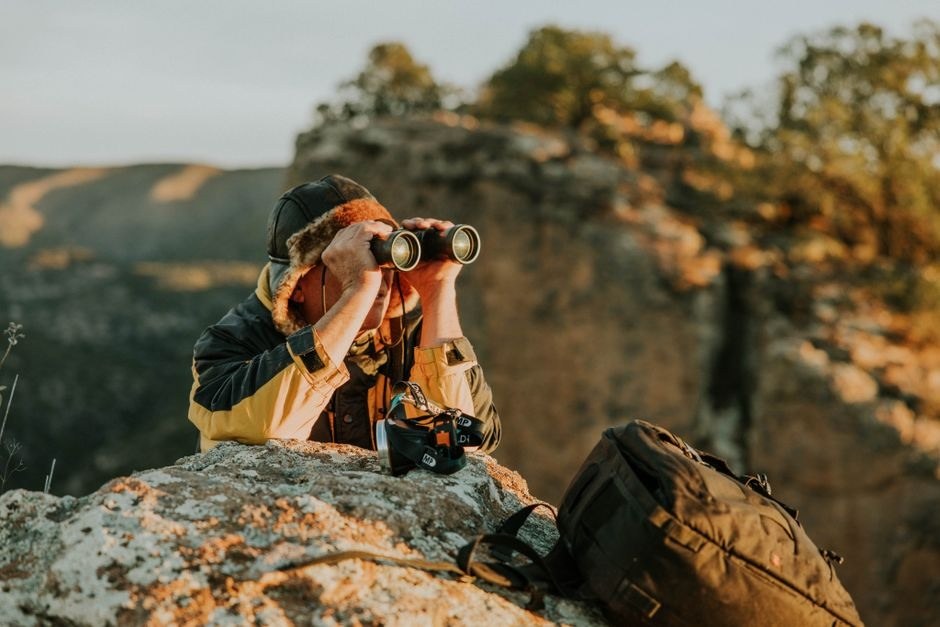
A camera walk does not need a scenic destination. In fact, a familiar route can be better because there is no pressure to prove that the place is impressive. The value is in changing the way you move through it. With a camera in hand, an ordinary afternoon gains pauses, edges and small decisions that are easy to miss when the only goal is getting somewhere.
Start without a subject
Leave with one lens or one focal length if you can. Fewer choices make it easier to pay attention to what is already around you. For the first ten minutes, do not hunt for a photograph. Look for repeated shapes, patches of shadow, reflections, signs of weather, or the way a path changes as it reaches open ground.
This deliberately slow start helps separate seeing from collecting. You may take fewer frames, but the frames begin to have reasons behind them.
Use distance as a tool
When something catches your eye, make one photograph from where you first noticed it, then move. Step closer until the context disappears. Walk sideways and see whether the background becomes cleaner. Move farther away and let the subject become part of the landscape. A single scene can suggest several images simply by changing your position.
Light matters, but perfect light is not required. Flat skies are useful for color and detail; strong sun makes graphic shadows; late light can simplify a messy landscape by giving it direction. The useful question is not whether the light is good, but what it is doing.
Give the walk a natural ending
Photography outings become tiring when every minute is treated as an opportunity that must not be wasted. Set a loose end point: a bench, a hill, a cafe, the hour when you need to turn back. Once you reach it, put the camera away for a while. The return journey can be just a walk.
Later, review the images slowly and choose only a few. Notice what repeatedly attracted you—doorways, distant figures, tree lines, reflections, textures. That pattern is often more interesting than whether any single photograph is technically perfect. Over time, camera walks become a record not only of places but of the way your attention changes.