Problem
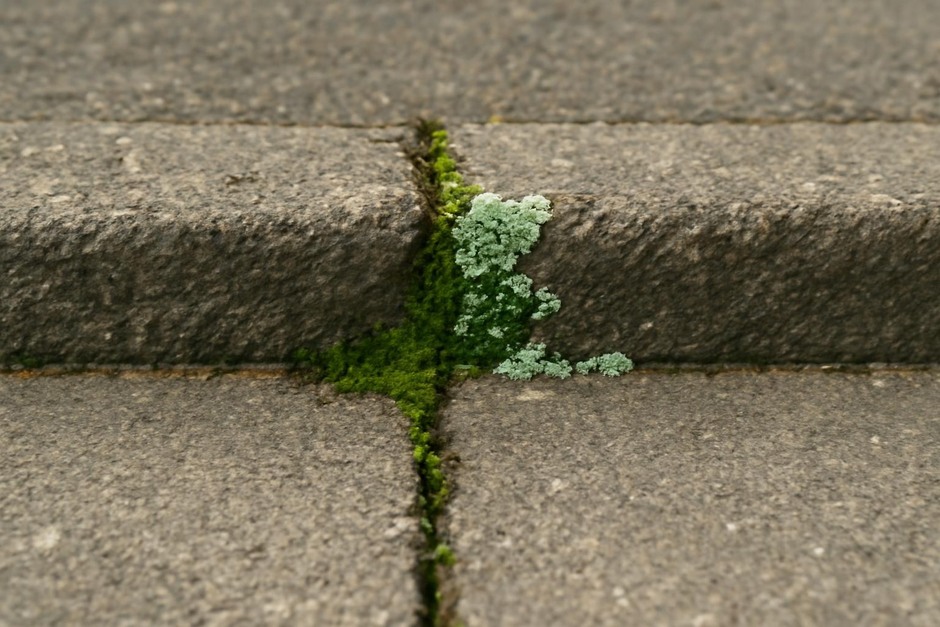
When we move through town with purpose—commuting, running errands, checking off tasks—we pass over a dense world of small signs: hairline cracks that trace freeze-thaw cycles, repeated drag marks at a curb that map a bicycle route, a thin film of green where water pools for a week each spring. These details carry quiet information about time, material, and habit, but they are easily lost to speed and habit. The problem is not that the details are rare; it’s that we have no simple practice that helps us slow down and read them reliably.
Principles
Over years of short walks and careful looking, a few practical principles make attention manageable and revealing.
1. Scale your attention
Decide a working scale before you begin. If you set out to watch the sidewalk, don’t try to catalog every tree along the block. Focus narrows observation and makes patterns legible: a single meter of curb, a ten-meter stretch of wall, or the gutter at a corner.
2. Use a slow, steady pace
Pay attention to the pace of your steps. Walk slowly enough to notice texture, but consistently enough to compare sections. A steady pace reveals rhythm—how often a crack repeats, where debris accumulates, which spots remain damp.
3. Read for process, not just appearance
Ask how a mark arrived, not just what it looks like. Was a stain caused by roof runoff, a spilled beverage, or iron leaching from a railing? Thinking in processes uncovers seasonal and human rhythms.
4. Record small, repeatable notes
Keep a simple record system you can repeat: a two-line note per stop (what you saw, one likely cause). The goal is accumulation—patterns emerge faster from many small observations than from a single long essay.
5. Practice respectful proximity
Lean in to observe, but leave things as you found them. Avoid disturbing habitats in cracks and crevices; many tiny organisms and seeds make their homes there.
Examples
Three brief examples show how these principles work on ordinary urban surfaces.
Sidewalk cracks
A hairline crack that zigzags across a slab often indicates repeated freeze-thaw and differential settling of the base material. Count how often the crack branches or is filled with plant material. A series of tiny seedlings in one crack suggests a seed source nearby; long-term accumulation of soil and seeds can become a linear planting bed. Noting whether the crack runs parallel to a tree or a buried utility line helps distinguish causes.
Paint flakes and lichen on walls
Peeling paint in bands can map the splash radius of a spout or the path of runoff. Lichens and mosses grow where moisture and shade meet; their presence and color hint at microclimate. A pale crustose lichen may indicate relatively clean air and long-term stability, while a slimy green film favors temporary wetness. Observe the wall at different times of day to see how sun and shade shift growth zones.
Curbs, grates, and drains
Debris piles at a curb tell a story of prevailing wind, human dumping, and water flow. Look for a sequence: fine grit nearest the gutter, larger detritus further back. Repeated scuff marks can show where carts cross a curb, and mineral deposits around a drain usually indicate frequent overflow or concentrated runoff from a roof or vehicle wash. Small invertebrates, moss, or algae near grates point to intermittent moisture that supports life between storms.
Practice Checklist
- Choose a scale: 1 m, 10 m, or a single corner.
- Set a time: 10–30 minutes is enough for a focused record.
- Bring tools: a small notebook, a pen, and optionally a phone camera or hand lens for close detail.
- Walk at a steady slow pace, scanning left, center, right as you go.
- At each stop, note three things: dominant mark, likely process, and one changeable factor (water, shade, foot traffic).
- Make one small photo or quick sketch if useful; label it with time and place.
- End by reading your notes aloud or reviewing photos to spot repeating themes.
Regularly practiced, this brief method trains you to read the small landscape wherever you go. The stories in cracks and edges are often the clearest record of place over time—they ask only that we slow down long enough to listen.